Why Thicker Isn’t Always Better for Manual Hand Stretch Film Buyers
Release time: 2025-12-08
When it comes to packaging, especially when securing goods on pallets, manual hand stretch film is a popular choice for its versatility and ease of use. However, many buyers are under the misconception that thicker stretch film is always better. While thickness is an important factor, it’s not the only consideration when choosing the right stretch film. This guide will help you understand why a thicker film isn’t always the best option, and why other factors, like stretchability and cost-efficiency, should play a more significant role in your decision-making process.

Understanding Manual Hand Stretch Film
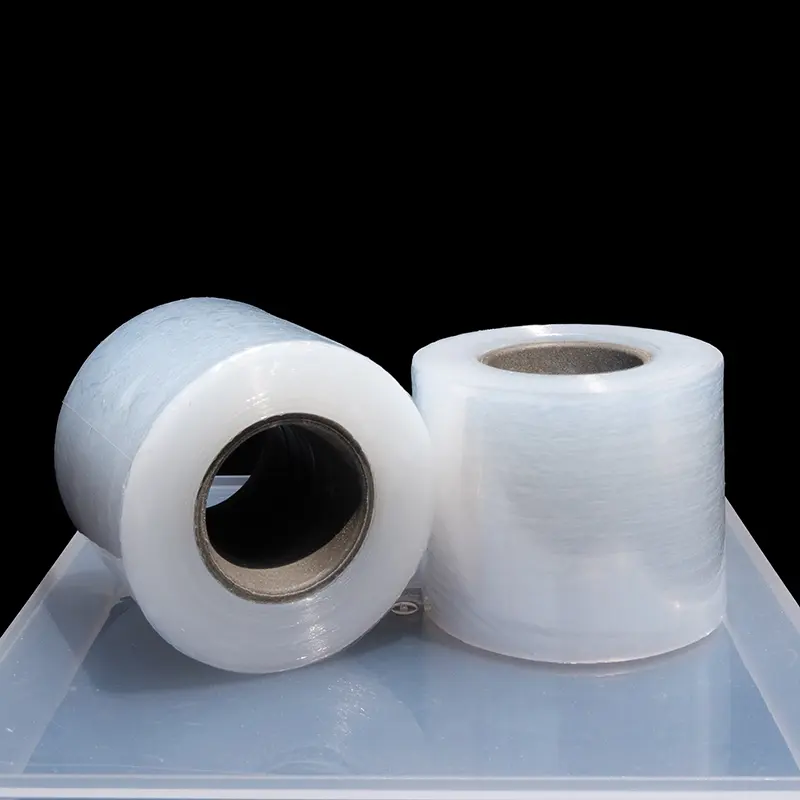
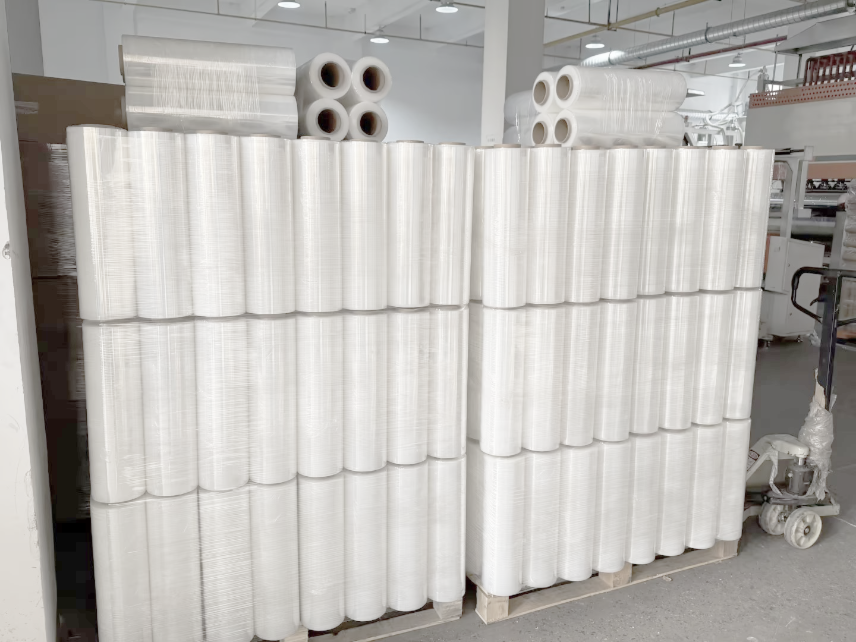
Manual hand stretch film is used for wrapping items on pallets to secure them during storage and transportation. This type of film is applied by hand, unlike machine stretch films that require automated machinery. It’s often chosen for smaller operations or for situations where speed and flexibility are essential.
Stretch films come in various thicknesses, typically ranging from 50 to 120 gauge, but it’s important to remember that thicker isn’t necessarily better. Below, we’ll explore the factors that truly determine the effectiveness of a manual hand stretch film.
The Misconception: Thicker Equals Stronger
Many buyers mistakenly believe that the thicker the stretch film, the stronger the wrap. While it’s true that thicker films can handle heavier loads, thickness alone doesn’t determine strength. Strength is more about the film’s tensile strength, which refers to how well the film can resist breaking under tension.
Thicker films are generally less flexible and can require more force to stretch, which might not be necessary for lighter loads. Moreover, thicker films can be more difficult to work with manually, leading to inefficiency and fatigue for workers.
Why Stretchability is More Important Than Thickness
Stretchability is a far more important characteristic to consider when choosing stretch film. Stretch film with high stretchability can be stretched up to several hundred percent of its original length, meaning you get more coverage with less film. The ability to stretch the film efficiently without compromising its strength allows you to reduce material costs and achieve better load containment.
Stretchable films also tend to be lighter, which reduces transportation costs and is better for the environment due to the lower material usage. Stretchability is key to ensuring you’re getting the most from your stretch film without overspending on material costs.
The Cost Efficiency of Manual Hand Stretch Film
One of the most significant benefits of using manual hand stretch film is its cost-effectiveness. Thicker films are generally more expensive, and the added cost doesn’t always translate to better performance. As mentioned, thinner films with higher stretchability can perform just as well, if not better, while reducing overall material consumption.
Additionally, thinner stretch films are easier to handle and apply, which improves labor efficiency and reduces the amount of time spent wrapping each pallet. By opting for a stretch film with high stretchability, you can lower your material costs and increase productivity, which translates to a stronger bottom line.
Environmental Impact of Thicker Stretch Film
The environmental impact of packaging materials is an important consideration for many businesses today. Using thicker stretch film increases the amount of plastic used in the packaging process, leading to more waste and a larger carbon footprint. On the other hand, choosing a thinner, more stretchable film reduces the amount of plastic needed, making it an eco-friendlier choice.
Reducing the amount of material used not only cuts down on waste but also reduces the overall weight of shipments, leading to lower transportation costs and a reduced environmental impact during transit.
Quality and Manufacturing Technology in Stretch Films
The quality of stretch film is not determined by thickness alone. Modern manufacturing technologies have made it possible to produce high-quality stretch films that are both durable and stretchable. Blown film technology, for instance, can create films that are thinner but stronger and more elastic than older films.
When choosing stretch film, consider the quality of the material and the technology behind its production. Films made from high-quality resins tend to have better stretchability and durability, meaning you can use less material while still achieving the same level of protection.
Application-Specific Considerations for Stretch Film
The right stretch film depends on the specific application. For lighter loads, a thinner stretch film with higher stretchability is often sufficient. However, for heavy or irregularly shaped loads, a thicker stretch film may be necessary for additional security.
If you’re wrapping products that will be exposed to the elements, such as outdoor storage or transportation, you might require a more robust film to resist UV damage and punctures. In such cases, a thicker stretch film with added UV resistance might be the better choice.
Thinner Stretch Film May Be the Smarter Choice
In conclusion, while thicker manual hand stretch film can offer certain benefits, it’s not always the best choice for every application. Stretchability, cost-efficiency, and environmental impact are all essential factors that should be considered before deciding on the thickness of your stretch film. In many cases, a thinner stretch film with higher stretchability provides the same or better performance, offering a more cost-effective and sustainable solution for your packaging needs.
By focusing on the right balance between material quality and stretchability, you can make a smarter choice that improves both your bottom line and your environmental footprint.
Do you prefer thicker or thinner stretch film for your packaging needs? Share your thoughts in the comments below!