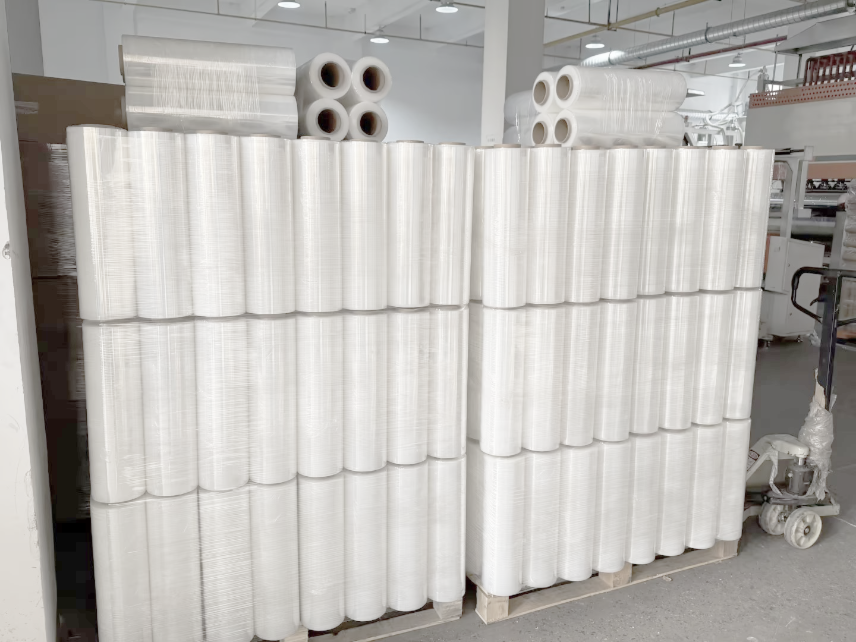
The Importance of Stretch Film Optimization in Modern Packaging
Release time: 2025-12-20
This article explores stretch film optimization as a key strategy for enhancing efficiency and sustainability in packaging. Stretch film is essential for securing products during transport, and optimizing its use can lead to significant cost savings and improved packaging efficiency.
In today’s fast-paced and competitive market, companies face unprecedented challenges and opportunities in packaging and logistics. Stretch film, a widely used material for product packaging and transportation, plays a crucial role in these processes. Optimizing the use of stretch film not only significantly reduces costs but also enhances packaging efficiency and environmental sustainability. This article explores the optimization strategies employed by leading companies regarding stretch film and the positive outcomes they have achieved.
1. Cost Control and Material Optimization
Many large corporations have discovered that appropriate control over the thickness and specifications of stretch film can effectively reduce packaging costs. For instance, PepsiCo, one of the world’s largest food and beverage companies, successfully lowered its packaging expenses by reducing the thickness of its stretch film while maintaining product safety. By implementing automation in its packaging processes, PepsiCo increased packaging speed, thereby reducing labor costs and material waste. This approach highlights how strategic adjustments to packaging materials can lead to significant financial benefits.
Similarly, Kraft Heinz, a global leader in the food industry, has adopted strategies to optimize stretch film specifications. By accurately calculating the amount of film required for each product, Kraft Heinz not only minimized material usage but also ensured the integrity of goods throughout the supply chain. This method enhances economic efficiency and supports the company’s broader sustainability goals.
2. Sustainability and Environmental Responsibility
As environmental issues become increasingly pressing, companies are placing greater emphasis on sustainable practices. Nestlé, for example, is committed to using renewable and recyclable stretch films to mitigate its environmental impact. By redesigning its packaging, Nestlé has managed to reduce plastic usage by approximately 30%, boosting its brand image and appealing to environmentally conscious consumers.
Alongside Nestlé, Amazon is making strides in its packaging strategy by promoting sustainability. Utilizing smart packaging technology, Amazon automatically selects the appropriate stretch film based on product size, minimizing material waste. The company has pledged that by 2025, all its packaging materials will be recyclable or reusable, a goal that enhances its environmental reputation and aligns with growing consumer expectations for corporate responsibility.
3. Efficiency Improvement through Automation
Enhancing operational efficiency is a key factor for success in modern logistics. Walmart, the world’s largest retailer, has successfully reduced material costs and minimized packaging waste through centralized purchasing and employee training. Its intelligent packaging systems allow for more precise use of stretch film, significantly improving workflow efficiency.
Moreover, many companies are increasingly adopting advanced packaging technologies, including automation and intelligent systems, to optimize the use of stretch film. These technologies not only reduce human intervention, thereby lowering error rates, but also enhance packaging quality while accelerating production processes. For instance, automated stretch wrapping machines can adjust tension settings and film application rates based on specific product needs, ensuring optimal protection and stability during transport.
4. Case Studies of Successful Implementations
To illustrate the effectiveness of stretch film optimization further, several case studies provide insights into successful implementations:
- Coca-Cola has implemented a comprehensive sustainability strategy that includes the use of lightweight stretch film. By collaborating with suppliers to develop lighter and more durable films, Coca-Cola has reduced packaging waste and improved its carbon footprint throughout its supply chain.
- Kimberly-Clark, a leader in consumer products, reported significant cost savings by optimizing its stretch film use across various product lines. The company adopted a standardized packaging approach, utilizing high-performance stretch films that require less material without compromising strength. This initiative resulted in reduced packaging costs and improved supply chain efficiency.
5. Future Trends in Stretch Film Optimization
As technology continues to advance, the future of stretch film optimization looks promising. Innovations such as biodegradable stretch films and enhanced recycling technologies are expected to play a significant role in how companies approach packaging solutions. Furthermore, the integration of data analytics and machine learning can enable businesses to predict packaging needs more accurately, leading to more efficient use of materials and better inventory management.
Additionally, consumer awareness and demand for sustainable practices will continue to drive companies toward adopting more eco-friendly packaging solutions. Businesses that proactively embrace these changes will benefit from cost savings and enhance their reputation and competitiveness in an increasingly environmentally conscious market.

Conclusion
In summary, the optimization of stretch film usage is vital in modern packaging and logistics. From cost control and material optimization to sustainability efforts and efficiency improvements, major companies are employing effective strategies and innovative technologies to achieve packaging optimization. These initiatives contribute to significant economic gains and play a crucial role in environmental protection.
As businesses navigate the complexities of the global marketplace, the continued evolution of stretch film applications promises to present both challenges and opportunities. Companies that prioritize stretch film optimization will be well-positioned to enhance their operational efficiencies, reduce environmental impacts, and meet the evolving demands of consumers in the years to come. Through strategic investments in packaging technologies and sustainable practices, organizations can ensure their place at the forefront of the industry while contributing to a more sustainable future.