How Rising Resin Prices Are Reshaping Stretch Film Purchasing Trends in 2026
Release time: 2025-11-10
The global market for stretch film has seen significant changes in recent years, and as we approach 2026, one key factor affecting purchasing decisions is the rising cost of resin. Stretch film, a vital material in packaging and logistics, is impacted heavily by fluctuations in resin prices. With polyethylene (PE) being the primary raw material in stretch film production, any increase in resin costs directly affects the final price of the product. This article explores the key trends in stretch film purchasing that businesses need to be aware of in the face of rising resin prices.

Understanding the Role of Resin in Stretch Film Production
Resin, particularly polyethylene (PE), is a fundamental raw material used in the production of stretch film. This durable and flexible material is essential for securing products during transportation and storage. However, fluctuations in the price of resin, influenced by factors such as raw material shortages and geopolitical issues, have a direct impact on stretch film pricing. As these costs rise, businesses must find strategies to navigate the increased stretch film prices without sacrificing packaging quality.
1. Increased Price Sensitivity Among Stretch Film Buyers
As resin prices rise, buyers of stretch films are becoming more price-sensitive. Industries such as retail, logistics, and food packaging that rely heavily on stretch films for product security are increasingly scrutinizing packaging costs. To mitigate the impact of higher prices, businesses are:
- Sourcing alternative stretch film suppliers?that offer competitive pricing.
- Exploring cost-effective stretch film options?without compromising product protection.
- Entering into?long-term contracts?to lock in favorable prices and avoid unexpected price hikes.
2. Shift Toward High-Efficiency Stretch Films
With rising resin prices, high-efficiency stretch films are gaining traction. These films are engineered to provide superior performance while using less material. As a result, businesses can reduce film usage, ultimately lowering packaging costs despite the increased price of resin. Benefits of high-efficiency stretch films include:
- Improved load containment?with reduced film application.
- Better?stretchability, allowing businesses to secure more goods with less material.
- Enhanced?durability, reducing the likelihood of film breakage during transit.
By adopting high-efficiency stretch films, companies can achieve cost savings and improve packaging efficiency. This trend is expected to gain momentum as businesses seek to optimize their packaging processes in 2026.
3. Growing Focus on Sustainability
Sustainability continues to be a key consideration for businesses as environmental concerns rise. With the increasing cost of resin, more companies are turning to recycled stretch films and biodegradable stretch films as eco-friendly alternatives. The demand for these sustainable options is expected to surge as businesses look for ways to:
- Reduce reliance on virgin polyethylene?by switching to?recycled resin.
- Meet consumer demand for?eco-friendly packaging solutions.
- Support corporate social responsibility (CSR) initiatives and align with?green packaging goals.
Recycled stretch films and biodegradable alternatives offer similar performance characteristics to traditional films, making them an appealing choice for environmentally-conscious businesses. With resin prices rising, companies are increasingly recognizing the long-term cost benefits of sustainable stretch films.
4. Adoption of Pre-Stretched Films
Another trend gaining ground in 2026 is the adoption of pre-stretched films. These films are pre-stretched during manufacturing, so they arrive at their maximum stretch when used. The key benefits of pre-stretched films include:
- Reduced material usage?while maintaining the same load containment strength.
- Lower shipping costs?due to reduced weight and material consumption.
- Increased?efficiency in packaging?processes.
As resin prices continue to rise, pre-stretched films offer a cost-effective solution by reducing overall material requirements. This trend is expected to grow as businesses look for packaging solutions that combine cost savings with sustainability and efficiency.
5. Exploring Stretch Film Alternatives
In response to rising resin prices, more companies may consider exploring alternative packaging materials to replace traditional stretch films. Some potential alternatives include:
- Shrink films: Heat-shrinkable films offer similar protective qualities to stretch films but with a different application process.
- Air cushioning: Air pillows or air cushions are lightweight alternatives that can provide sufficient protection for fragile goods.
- Corrugated and paper-based solutions: As businesses prioritize?sustainability, paper-based alternatives might become more viable for certain industries.
While stretch films are still the dominant choice in packaging, rising resin costs are encouraging businesses to evaluate alternatives that might better align with their packaging needs and environmental goals.
6. Innovation in Stretch Film Manufacturing
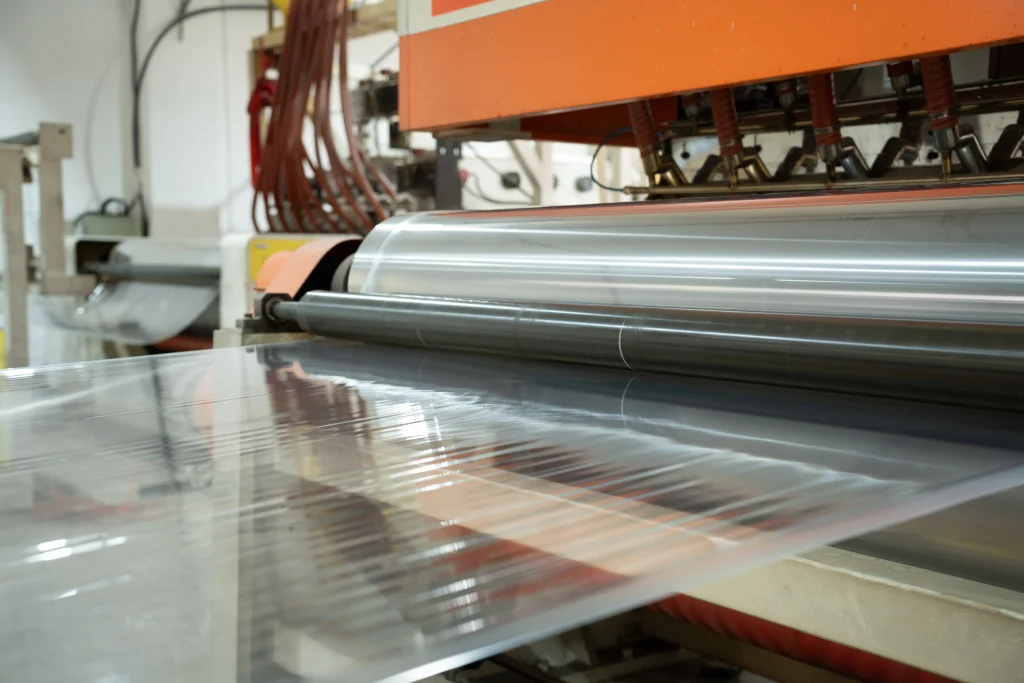
To offset the rising resin prices, manufacturers are investing in new technologies and manufacturing processes to improve the cost-efficiency of stretch film production. These innovations include:
- Advanced resin blending techniques?that create cost-effective, high-performance films.
- Automation in stretch film production?to reduce labor costs and improve manufacturing efficiency.
- Enhanced production lines?that can reduce waste and optimize material usage.
These innovations will help stretch film manufacturers continue to deliver quality products at competitive prices, despite the pressure of rising raw material costs.
Navigating Rising Resin Prices in 2026
The rising cost of resin will continue to reshape stretch film purchasing trends in 2026. As businesses face higher packaging costs, they will become more price-sensitive and seek more cost-effective solutions that still meet performance and environmental standards. Key trends such as high-efficiency stretch films, sustainable packaging options, and pre-stretched films will shape the future of stretch film purchasing. By embracing these innovations, businesses can navigate the challenges posed by rising resin prices while maintaining their packaging efficiency and cost-effectiveness.